The core of this course is a collection of texts by authors of wide range of personal and disciplinary backgrounds. We shall start with texts introducing the geological timeline of the history of the planet, and the evolution of life, of which we are one of many expressions. We will consider the various ways in which we relate to other forms of life with whom we are essentially intertwined within the biosphere. We will then examine the ways in which culture into which we are born shapes our perceptions, understandings, and relationship to the living world, and explore how these cultural ideas evolve and differ among peoples, and create distinct life-worlds, with far reaching implications. We will also explore power relations, practices, and forms of knowledge that underpin the forces that transform the planet, culminating in the current ecological crises, and ask questions about freedom and responsibility and participation on the regeneration of life.
While the texts we will be reading are written by academics – scientists, thinkers, writers – most of them were written with interested general public in mind, making them accessible and enjoyable without expert knowledge. Coming from a wide range of scholarly traditions, they represent a diverse range of perspectives. You are welcome to write down your thoughts about what themes you see emerging from these, what kind of horizons open up and what questions they raise – and what kind of questions you might have as a response to these authors.
While this course was designed for a course consisting of weekly discussion group, we have made selection of essential readings for each session – it was unreasonable to expect medical students will have time to read a whole book within one week (nevertheless, many of them subsequently did during their summer holidays!). The indicated selection of texts therefore serve as an opportunity to think through and discuss these issues together in a more focused manner. For those who have time to immerse into these themes, it is certainly recommended to engage with the entire books, as intended and conveyed by the authors, and providing much richer context for their subject. We hope you might be coming back to readings and follow these themes in different directions. The texts are complemented by podcasts, videos, and other interesting resources.
1. Becoming Earthlings.
In this introductory session we will discuss different ways in which we situate ourselves in relation to the planetary history, within the living world, and the human society.

2. Geological perspectives on deep time
We will explore how the sense of geological time changes our perception of an age of anthropogenic mass extinction, and how it may help us imagine different futures.
3. Interconnectedness of life
Immersing ourselves in the kinship of all life on Earth – through evolution from one common ancestor, through nutrition, and in omnipresent symbiosis between living organisms, we will examine the implications for understanding ourselves within the web of life.
4. HUMANS WITHIN THE BIOSPHERE
We shall focus on the circulation of elements – and chemicals – through the ecosystems, in water, air, and soil, connecting and affecting diverse forms of life.
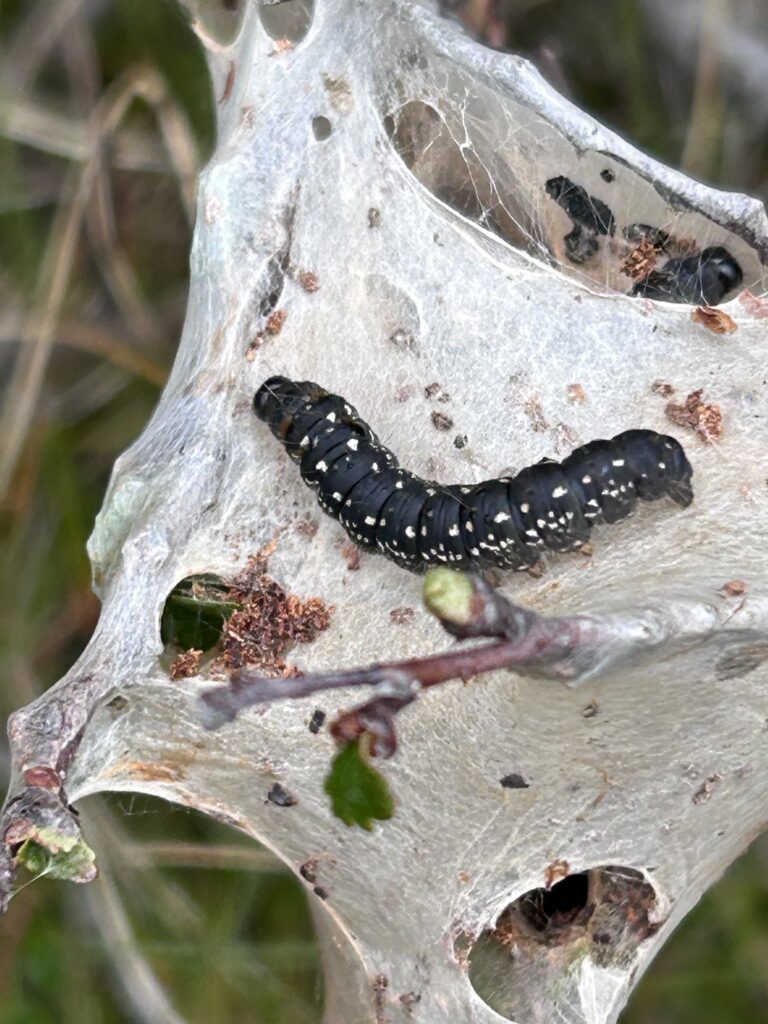
5. Life as a process and interaction.
We will explore biological paradigms that go beyond reductionist and mechanistic paradigm towards the processual and interactive, with sensibility and aliveness as a fundamental characteristics of life.
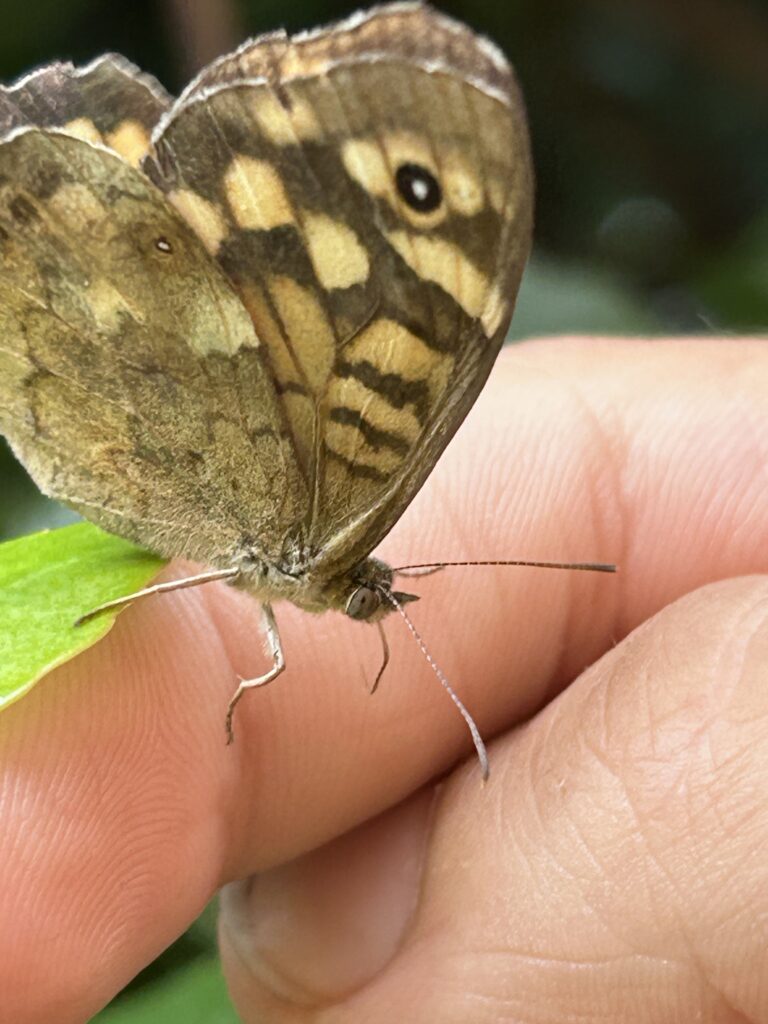
6. Belonging, interconnectedness, and reciprocity
We will ponder the sense of interconnectedness of all the living world in the worldviews of indigenous peoples, the importance of balance and reciprocity, the world as giving and providing, and the responsibility to share our own gifts with the world.
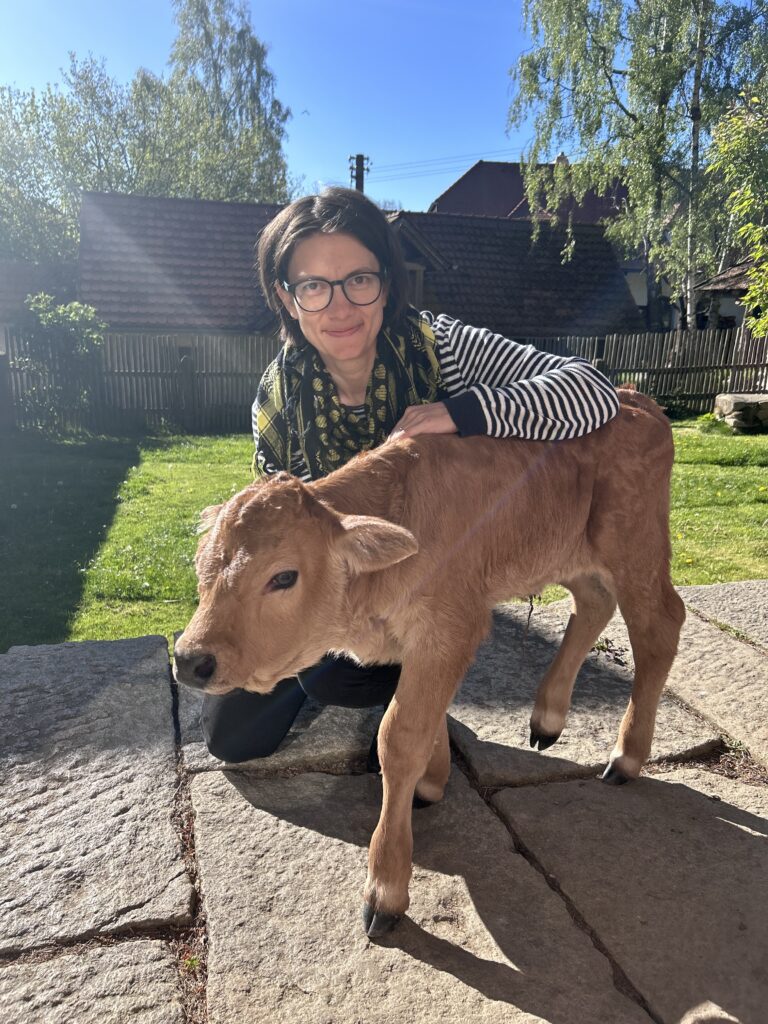
7. Relationships between human beings and the more-than-human world
We will discuss different kinds of relationships between human beings and the more-than-human world, and examine the implications of intertwined nature of life and death, of organisms interacting and nourishing each other.


9. Colonialism and its implications for the land and life
Perceiving land and the living world as resources to be exploited and the implications this attitude has on a planetary scale.
11. War on nature

13. ‘Buen vivir’ and the essential sufficiency of the world

14. Human nature
15. Metaphors of life and healing in cultural imagination
16. Freedom and responsibility